2026 Cooperative Leaders Graduate!
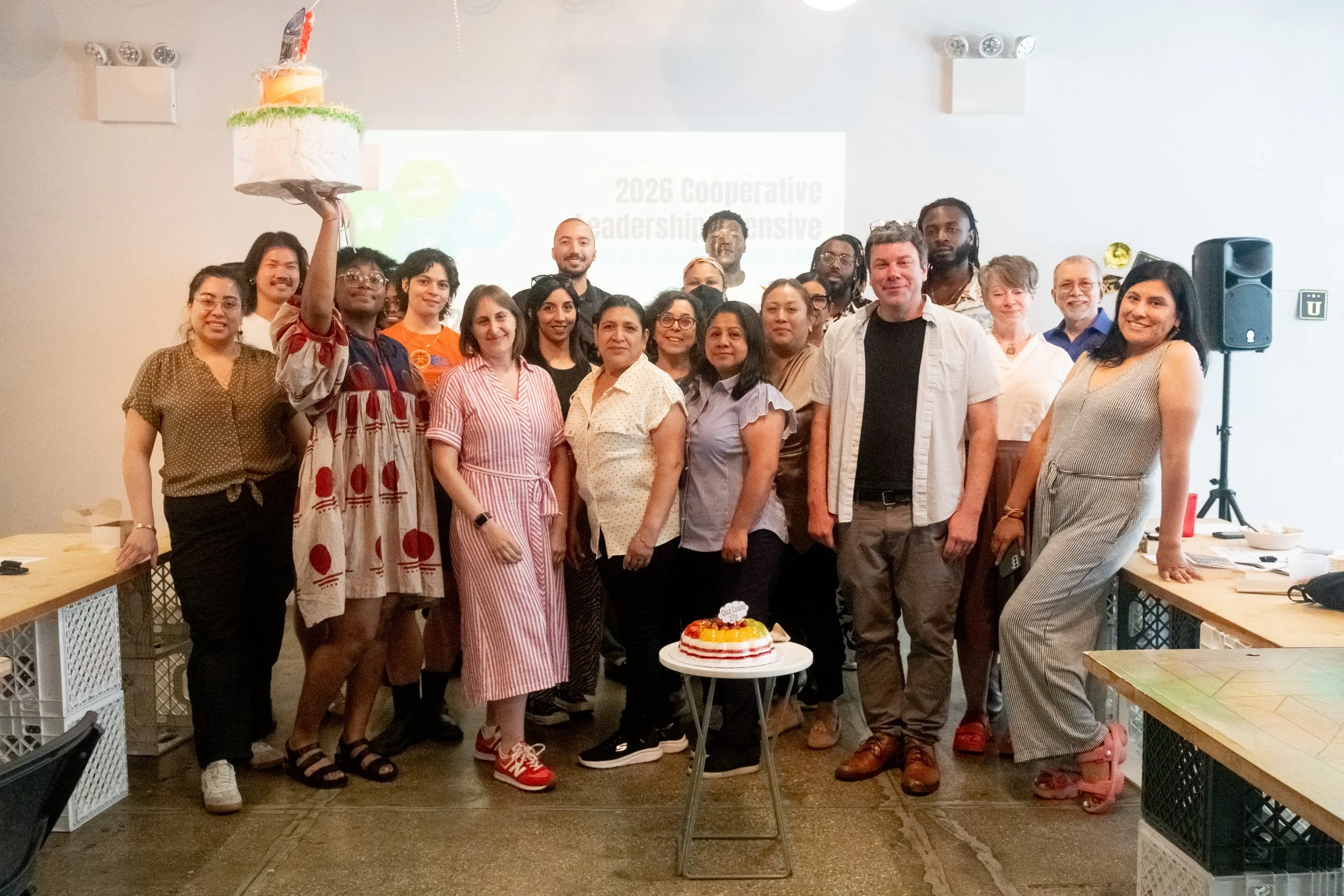
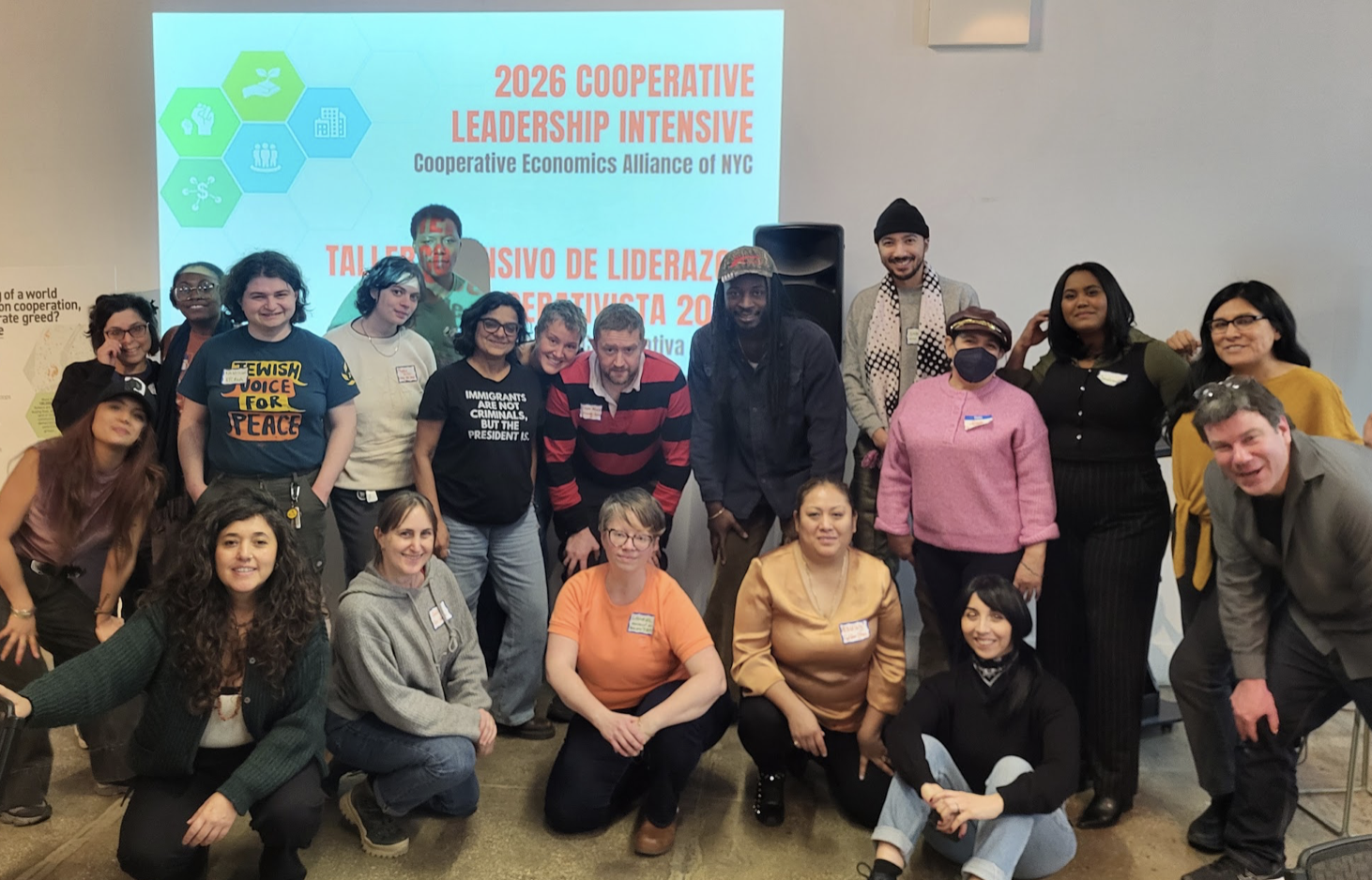
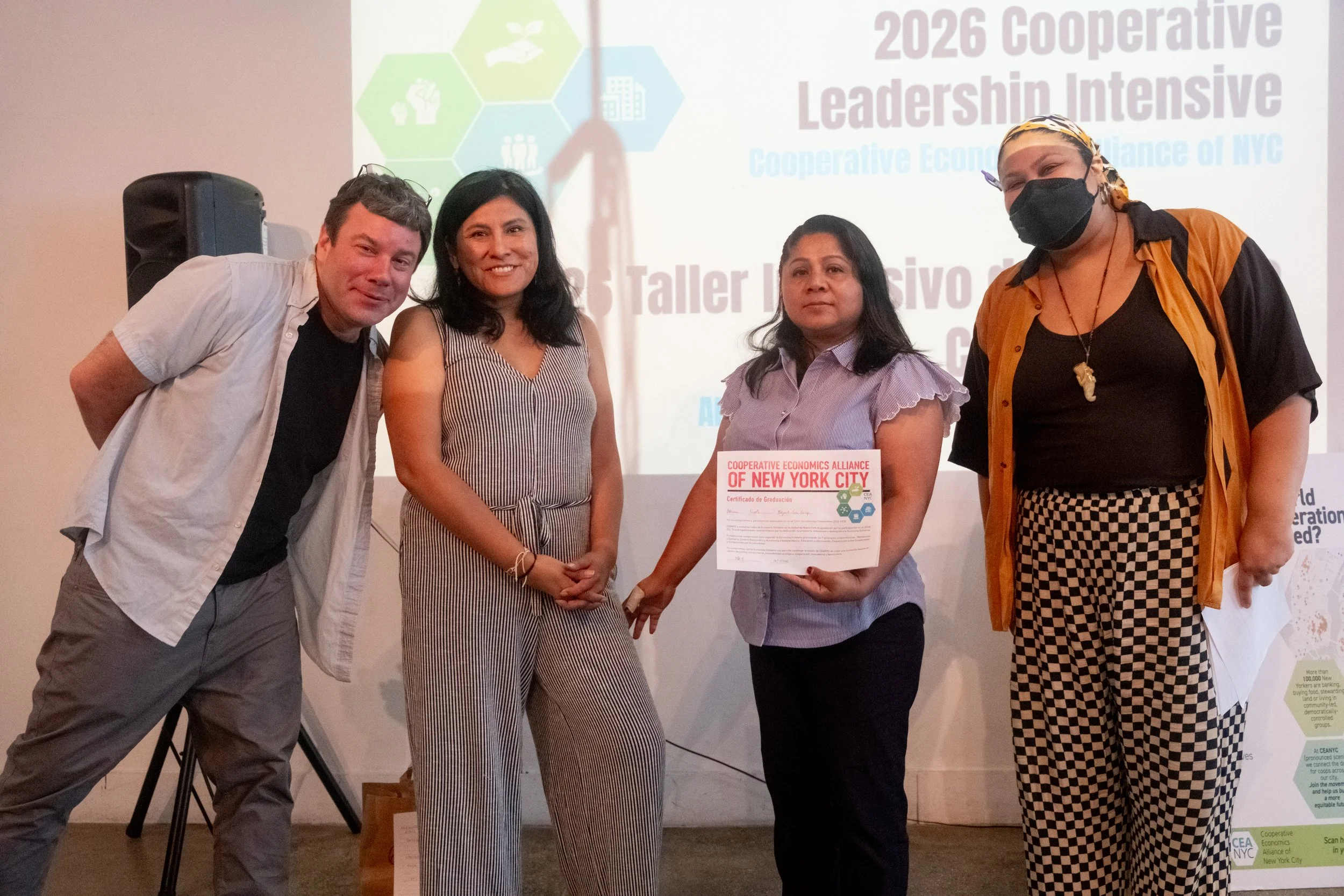
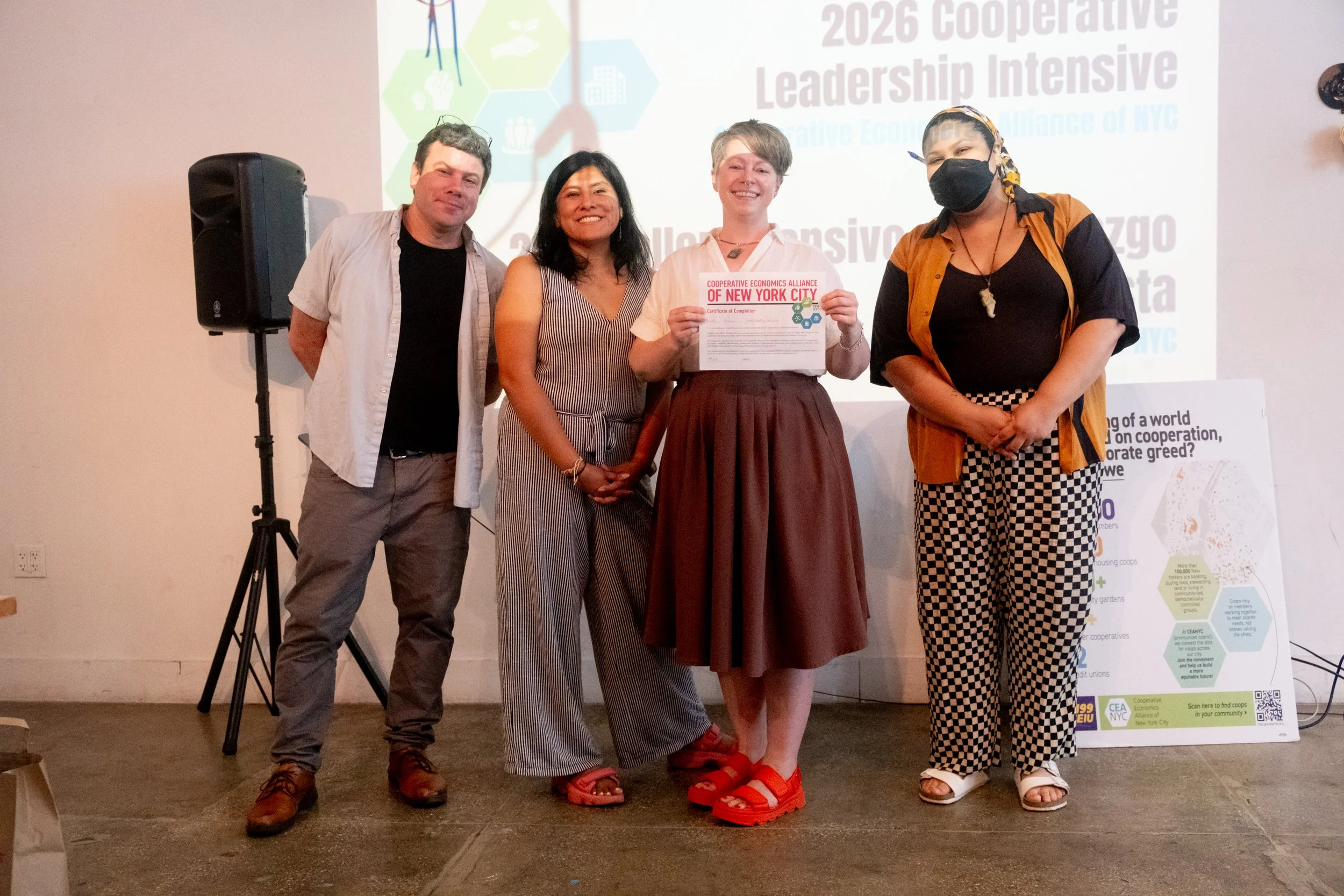
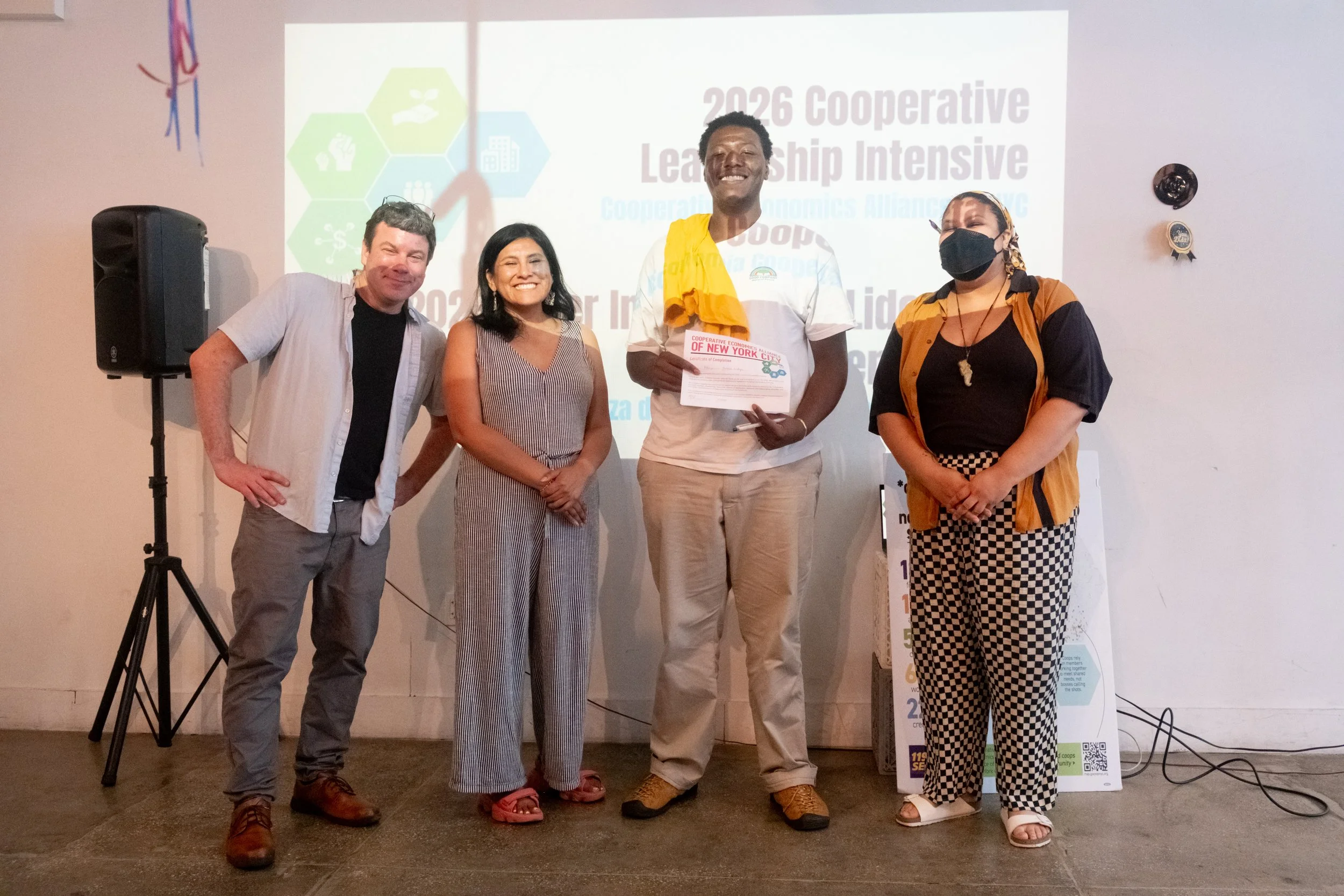
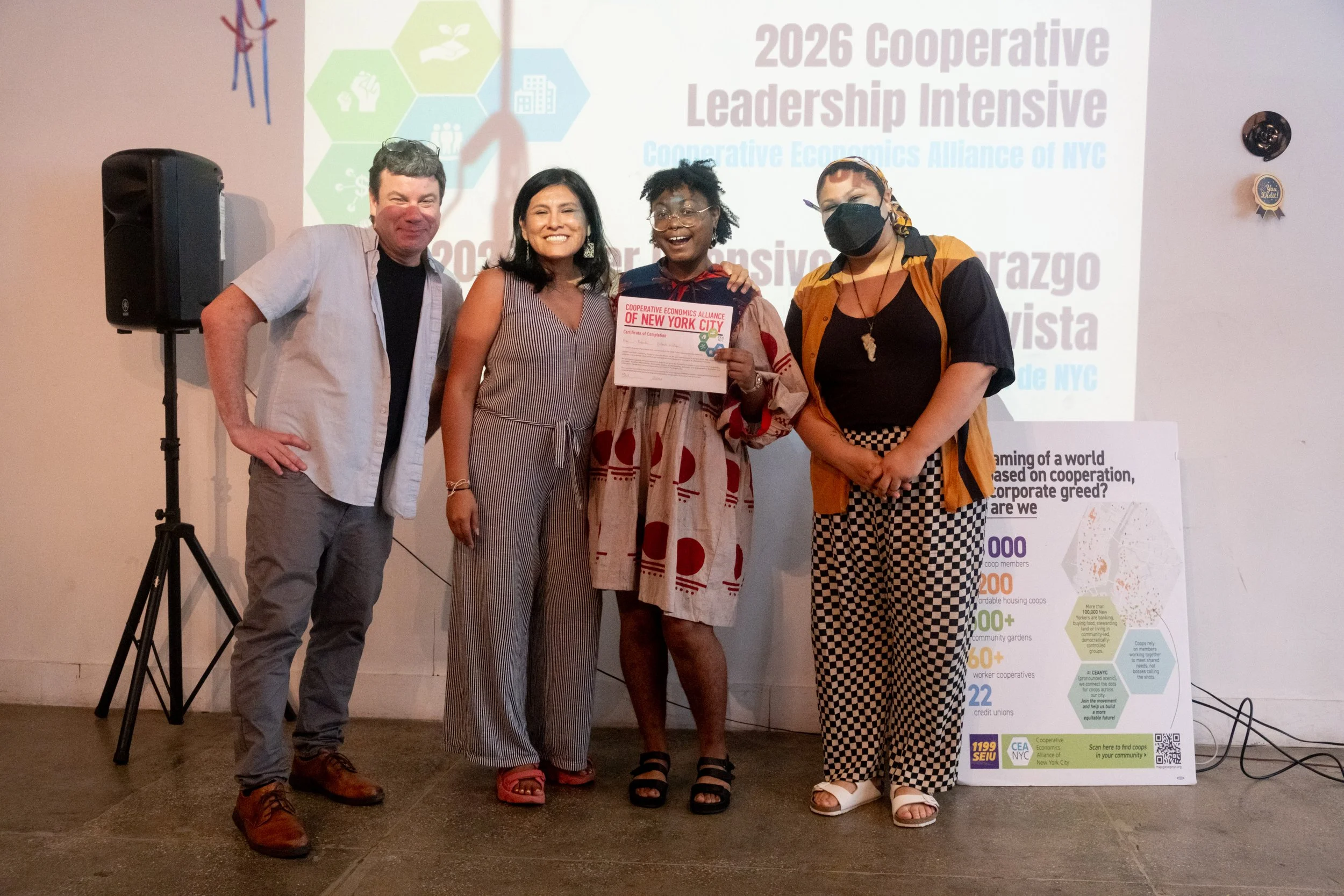
2026 participants in CEANYC’s Cooperative Leadership Intensive celebrate their graduation after 6 months of shared learning.
By Aria Desai
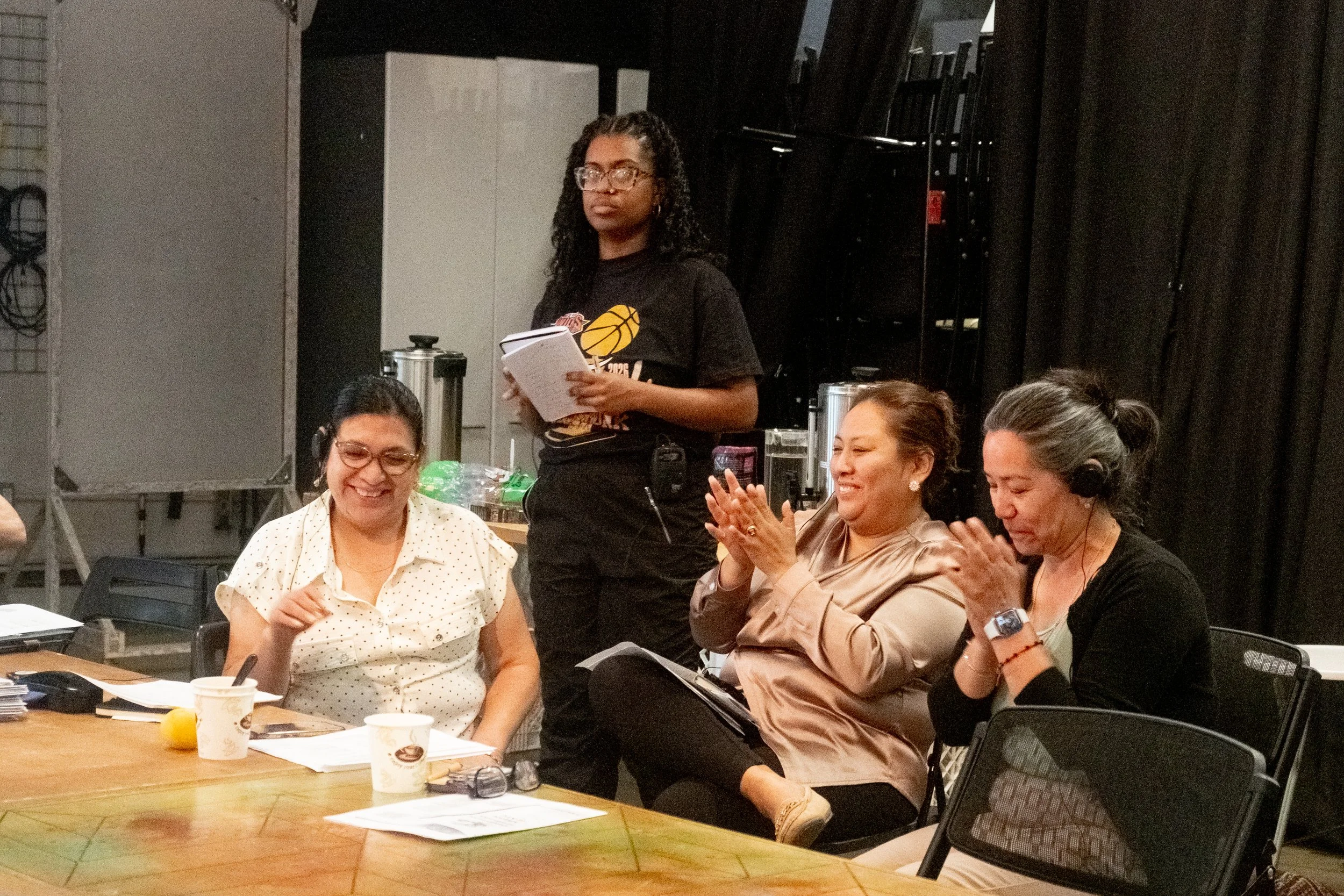
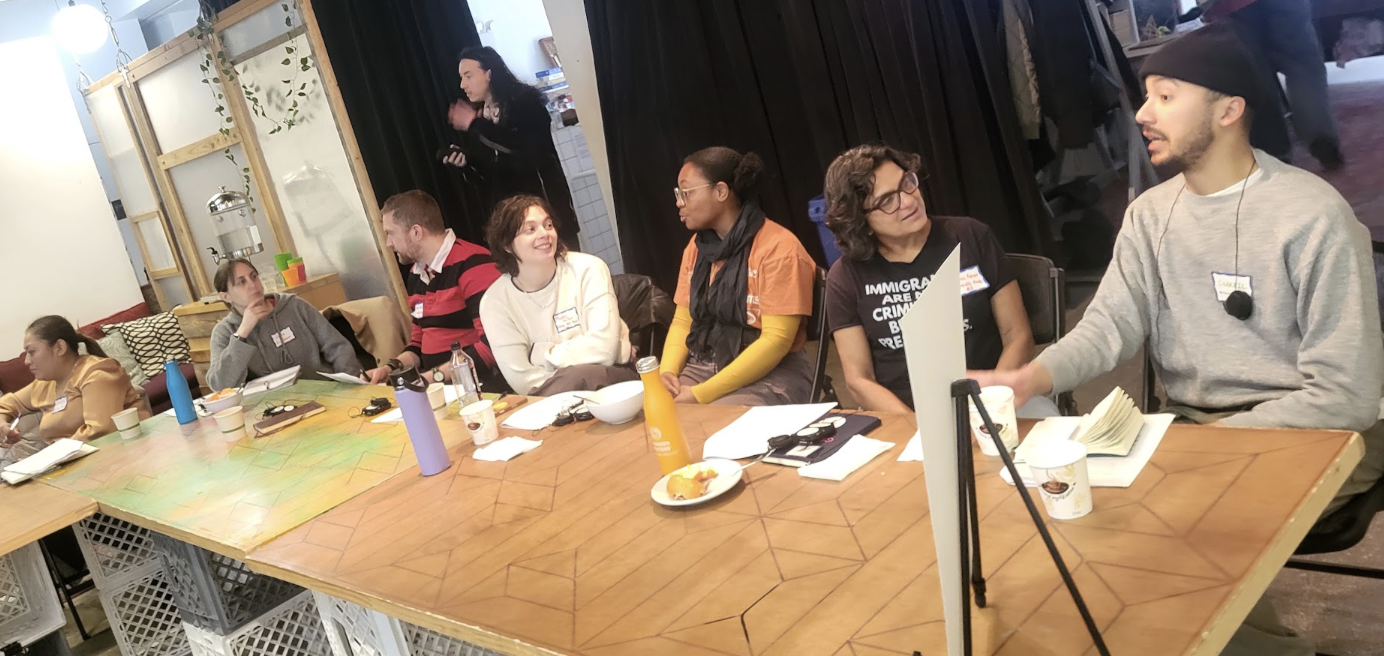
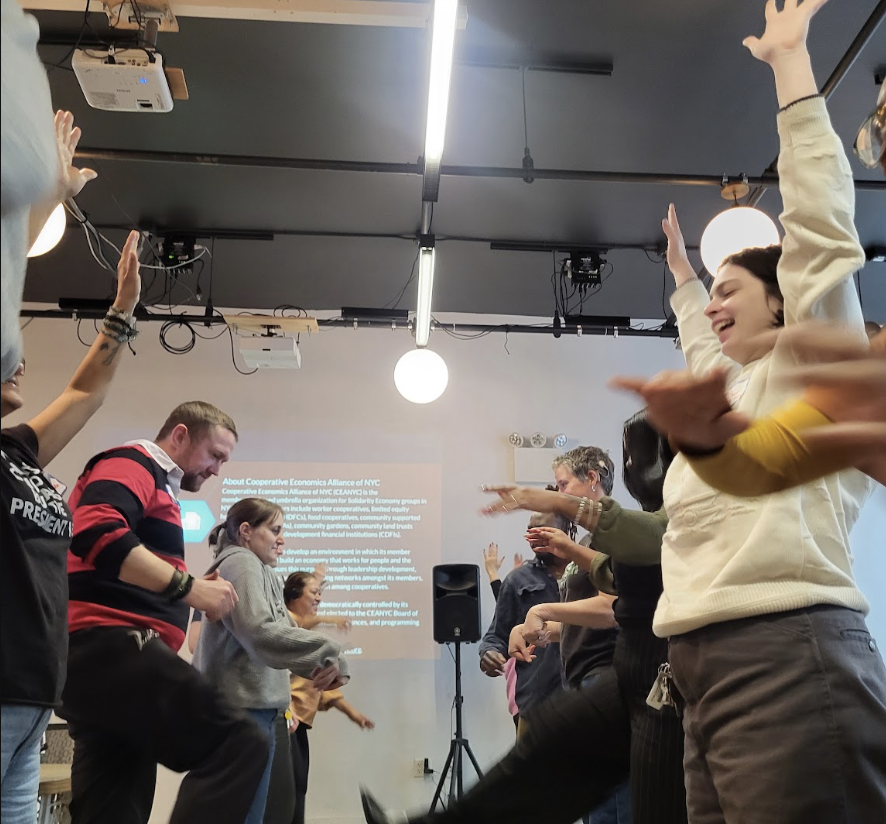
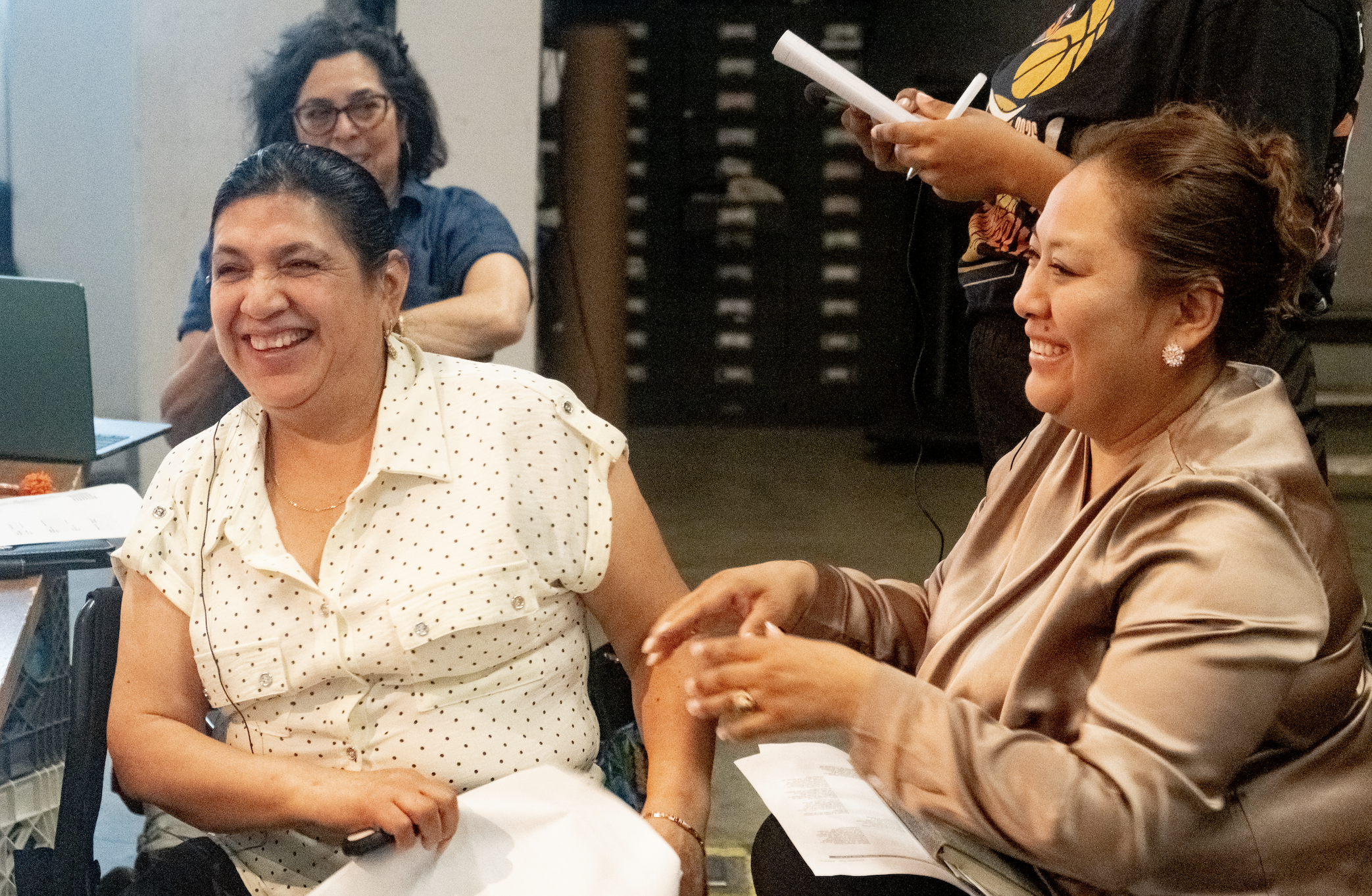
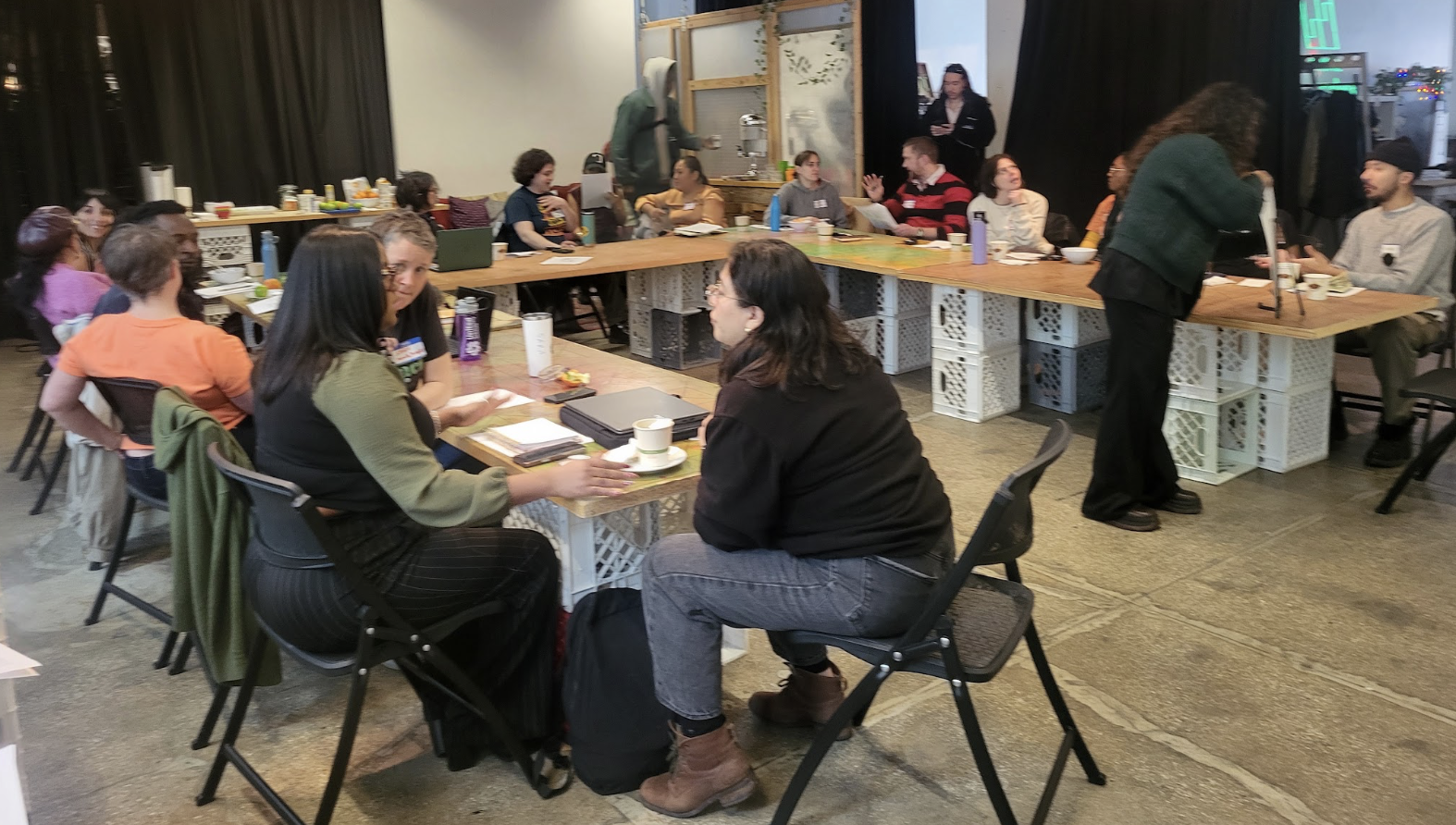
On June 13th, 2026 the 17 participants from CEANYC’s Cooperative Leadership Intensive came together to celebrate their graduation from the program. Throughout the event, they reflected on the histories and theories discussed throughout the six month program, recounted successes as they built skills collectively, and discussed action steps to ensure their time together will lead to seeding of material collaboration.
The Cooperative Leadership Intensive (CLI) was founded in 2020 to offer members from various cooperative spaces across the several sectors the opportunity to build their understanding of the theories behind the Solidarity Economy, sharpen cooperative-specific leadership skills like democratic decision making and open communication, and create connections across sectors with other Solidarity Economy spaces. Those connections provide a foundation to work together. 2026 marked the sixth year of the CLI, but featured a cohort full of brand new experiences, reflections, and ideas.
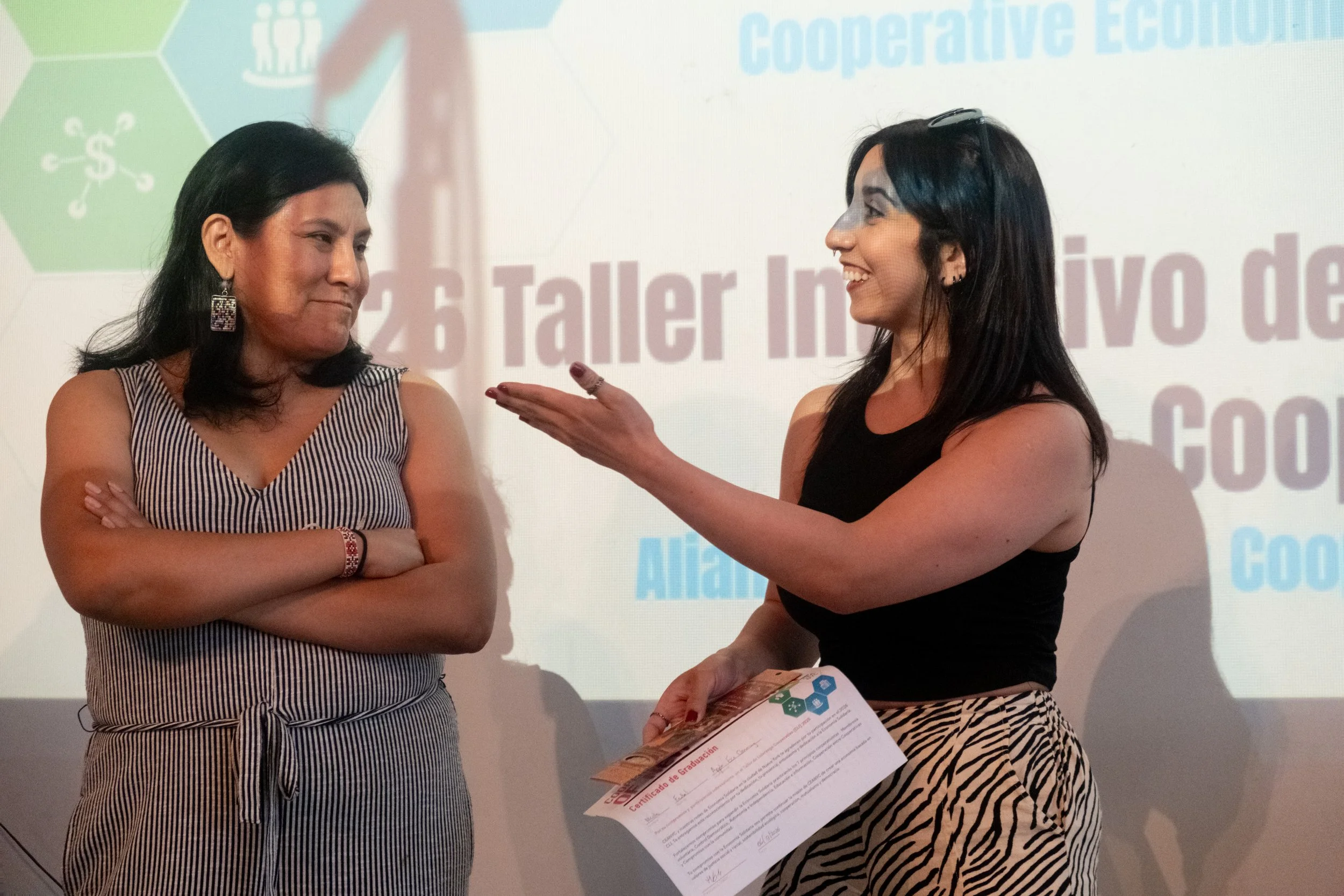
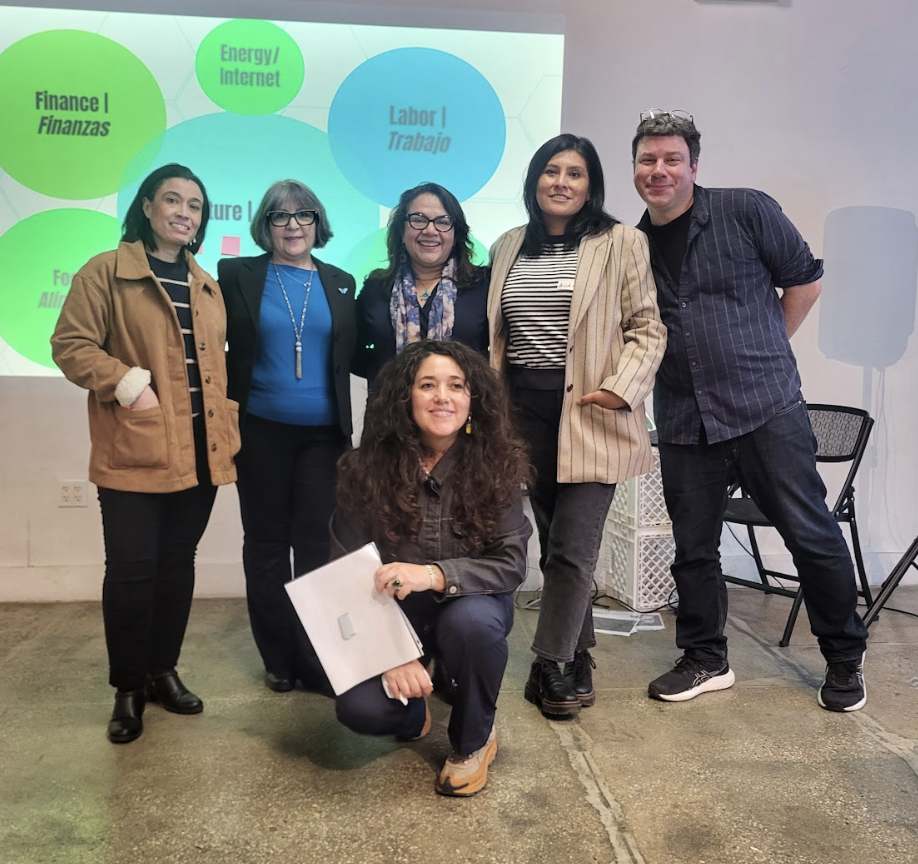
Embodying the values underlying Solidarity Economy and cooperative work, the CLI was led collectively, enabling each participant to give a presentation during the course. During the graduation, graduate Melanie (also a current CEANYC board member) offered her presentation, recounting the historical context within which the solidarity economy movement can be framed. She also shared a brief overview of global solidarity economy efforts, highlighting the fact that “The solidarity economy is knew not new", drawing from Aotearoa SE practitioners. She highlighted related lessons from historical social movements, such as from the Zapatistas, the Black Panther Party, and the Bolivarian Revolution. Melanie situated the historical recounting in a push for the graduates to channel their newfound collaborations into national and international bridges, for example by connecting with movements such as Resist and Build, the US Solidarity Economy Network, and the Global Tapestry of Alternatives and others.
CLI graduates recognized they would only be able to engage in these collaborations, from the local to the international level, through critical analysis and change on the individual level. Graduates identified the need for cooperatives to adapt or even entirely re-envision their internal structures, describing change in the scope of group dynamics as a “muscle that we are out of practice stretching,” as one graduate reflected. The group expressed a genuine intent to put tangible resources into strengthening from within, to ensure that internal cultural dynamics accurately reflected the commitments of cooperatives to build solidarity and care.
CLI graduates also expressed excitement in contributing to CEANYC’s theory and work. Many participants signed up to join CEANYC’s Membership and Communications Committees, build member-led strategic planning, and contribute to CEANYC-led advocacy work, such as with the campaign for an NYC Office of Co-operative Economics.
Join us in congratulating the 2026 graduating class of the Cooperative Leadership Intensive!